

Most nonprofits try to fix performance with better tactics: Looking at ways to improve segmentation, expand into different channels, or increase the number of asks to their donors.
But when donor files start to stall, when acquisition slows, retention slips, and engagement softens, the problem isn’t always tactical.
Sometimes it’s misalignment.
The brand tells one story in the market. The program says another. And the donor communication asks something else entirely. Leaving supporters to wade through that disconnect.
What Misalignment Actually Looks Like
It rarely shows up all at once. Instead, it creeps in over time as messaging drifts from the real impact. Nonprofits start to see acquisition costs increase. It gets harder to keep those new donors around. The file begins to age as only the longest-standing donors are retained.
Nothing feels broken enough to force a reset. But performance slowly erodes.
That’s exactly where Star of Hope found itself. As we partnered with their team through a brand and messaging refresh, one thing became clear: the challenge wasn't a lack of mission. It was a lack of alignment between who they were, how they talked about their work, and what donors experienced.
A long-established organization with a deep history and a strong mission but a donor file that was beginning to soften. Not because the need had changed. Because the work they were doing was no longer being communicated in a way that reflected the full story.
The Turning Point: Fix the Message
Rather than asking donors more often, Star of Hope first asked a few questions of themselves:
Do our supporters understand who we are, what we do, and why it matters?
The organization already had a strong mission. What needed greater clarity was the story surrounding that mission. Through a refreshed brand and, more importantly, stronger messaging, they created a clearer connection between their work and the lives being changed.
They focused on:
- Audience personas to better understand who they were speaking to
- Clearer positioning of their role in the community
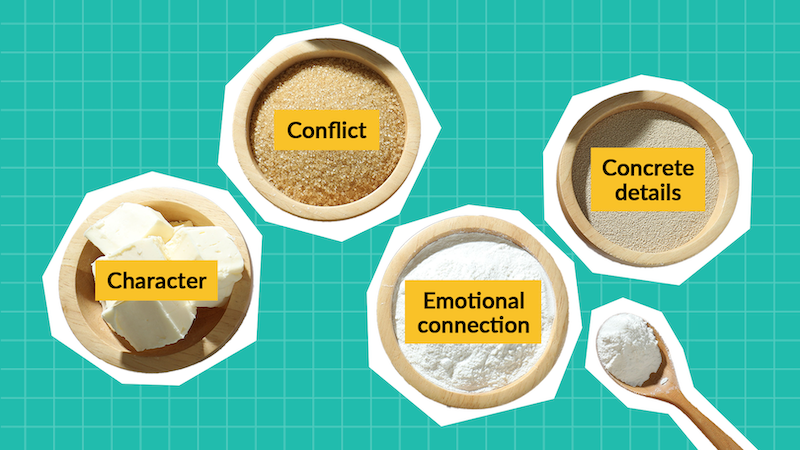
- Stronger, more emotionally grounded storytelling
- A digital experience designed to reinforce the message
The goal was to bring clarity. Both internally and externally. Because they knew that if the donors better understood all that Star of Hope was doing and could see themselves in it, they would respond generously.
But Don’t Stop There
Here’s where things usually fall apart. An organization updates its messaging… and then nothing else changes.
The website gets refreshed. Maybe a campaign reflects the new direction. But the rest of the system and teams keep running on the old story.
Different channels start to say different things. Appeals feel disconnected. The experience becomes fragmented. And the results don’t move.
Because brand and messaging only work when they’re embraced by the whole operation.
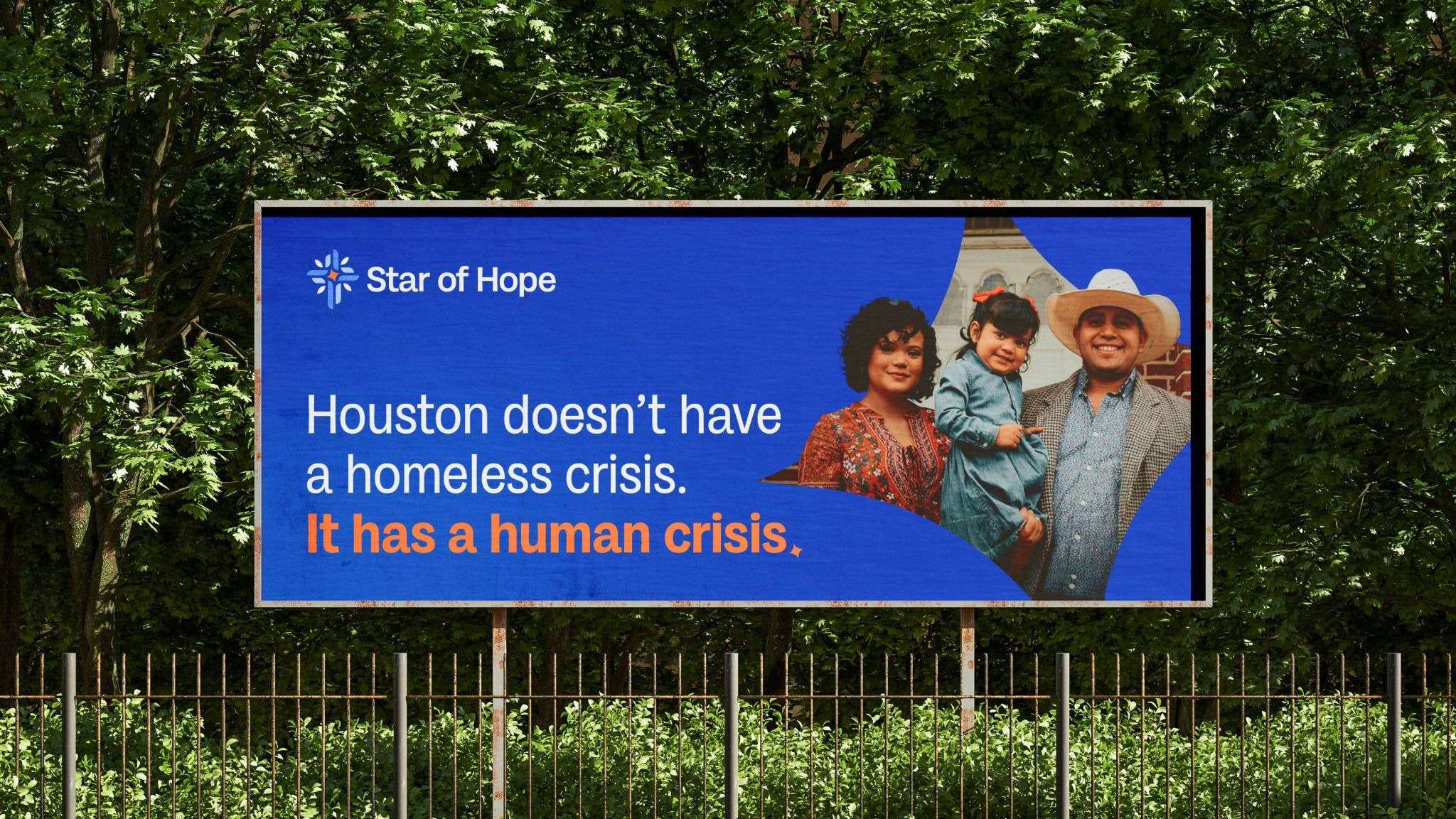
At Star of Hope, the message didn’t stay in a strategy document. It showed up everywhere. Across all channels and all teams.
This wasn’t simply a new brand identity. It was a clearer way of explaining the organization’s work, the people it serves, and the difference donors make. Every channel reinforced that same story.
The Results
In the first eight months of the first full fiscal year after the reset, performance improved across the board:
- Total revenue up 17.75%
- Average gift up 20%
- Multi-year retention up 7.5%
- Second-year retention up 25%
- Recently lapsed reactivation up 10%
- Direct mail revenue up 5% year-over-year
- Digital revenue up 9.3% year-over-year
Those results weren’t simply the product of a new visual identity.
The refreshed brand created greater alignment across the organization. But the stronger fundraising performance came because donors had a clearer understanding of Star of Hope’s work; how it serves the community, how lives are transformed, and how their generosity makes that transformation possible.
Better storytelling built a deeper understanding. And a deeper understanding built stronger donor commitment.
What This Means for Your Team
If your donor file isn’t growing the way it should, ask:
- Does our message clearly explain our impact?
- Does it create an emotional connection?
- Is it consistent everywhere a donor experiences us?
Because when those things aren’t aligned, no amount of tactical optimization will fix the problem.
But when they are, the file gets stronger. Donors grow closer. And growth starts to compound.